Integrated digital engineering, software, and modular avionics.
US SOCOM
US Army
NASA
General Electric
Groundswell
HEKALink, HEKALegion, and VoltAI work together.
Designed, flown, and powered.

The simulation and certifiable software platform — from requirements and CAD to validated flight-ready code.

Standardized avionics architecture and mission-ready hardware — reducing integration burden across every platform.

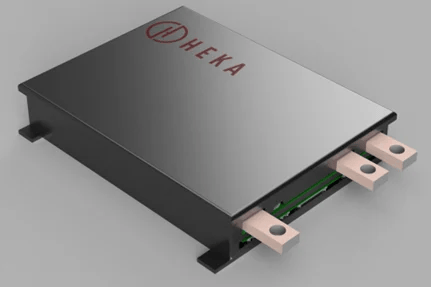
Mission-critical battery management and power distribution — field-proven energy systems that power the platforms the stack designs and flies.
HEKA's platform spans the full development pipeline. HEKALink owns the digital domain, HEKALegion owns the physical. Together they eliminate the hand-offs that kill missions.
"HEKA is a clear leader for innovative engineering. They helped us develop 6 DOF guidance algorithms and are willing to take on the most challenging technical problems with their talent.
"HEKA is always there for us. Their innovative team is solution-oriented — out-of-the-box thinking and implementation are exactly what we need. They are a proven winner.
"HEKA's expertise in safety-critical systems helped us avoid costly pitfalls and led to faster certification. Letting HEKA lead software and electronics significantly reduced our risk.
HEKALink, HEKALegion, and VoltAI. One integrated stack.
Built to cut integration risk and compress time to flight.
Traditional aerospace missions run on disconnected tools, siloed teams, and manual processes. Cost and schedule risk compound at every phase.
Critical lifecycle tools and teams are siloed, creating brittle hand-offs and lost time between CAD, simulation, controls, and software.
Validation and integration cycles stretch months or years. Schedule slip, cost growth, and repeated rework build from issues that could have been caught upstream.
Too many missions lose continuity from digital design to onboard software to deployed hardware, dropping critical context at every hand-off.
Three integrated systems designed to work as one continuous platform.
HEKA's 6 Degree-of-Freedom digital engineering and simulation environment. It connects requirements, CAD, mission definition, GNC development, and certifiable software generation into one continuous workflow.
Full six degrees-of-freedom aircraft and mission-system simulation for design validation and control development.
Develop, test, and iterate guidance, navigation, and control algorithms directly in the engineering environment.
Export real-time onboard software directly from validated simulation models — reducing manual coding error and rework.
Full certifiable software and hardware process — planning, traceability, V&V, tool qualification, independent audit, and gap closure.
HEKA's common avionics architecture and mission-ready hardware family. Standardized, NDAA compliant electronics designed to host interoperable applications across multiple platforms — reducing the burden of repeated integration.
Standardized flight hardware designed to host interoperable software applications across new builds and legacy platform modernizations.
HEKA's embedded real-time operating system provides precise timing, fault handling, and DO-178C compliance for avionics applications.
Fuses multiple sensor inputs — magnetic, GNSS, inertial, and precision timing data — to deliver resilient, accurate positioning in GPS-contested, degraded, or denied environments.
Common mission-computing layer that ties sensor, communications, and autonomy payloads into the Legion electronics architecture.
HEKA's field-proven battery management and power distribution family. Built to NDAA and ITAR requirements — sold standalone and fully interoperable with Legion, powering the platforms the stack designs and flies.
Real-time SOC/SOH monitoring, high-efficiency cell balancing, and thermal-runaway protection across Li-Ion, LiFePO4, and Lead-Acid chemistries.
Aviation-grade power distribution, regulation, and charging for unmanned systems and aircraft.
Software-enabled analytics, telemetry, and prognostics for Group 2+ UAS, aircraft, and station power.
Simple, durable battery protection and balancing for Group 1 UAS, soldier-carried, and expeditionary power.
HEKALink covers digital engineering — from requirements through validated software. HEKALegion takes it to hardware, integration, and flight.
HEKA's family of modular, interoperable mission electronics — flight control, mission computing, navigation, RF, and vision engineered together.
Every Legion module runs HEKOS, HEKA's common safety-critical real-time OS, so updates, tooling, and behavior carry across the whole stack instead of requiring separate integrations for each box. Legion modules are natively integrated with HEKALink for design, simulation, and validation, and with VoltAI for power.
Every module runs HEKOS — updates and behavior carry across the whole stack instead of five separate integrations.
Every module originates from HEKA's own R&D. HEKA owns the roadmap rather than reselling third-party hardware.
Designed and built domestically for an auditable, defensible supply chain with no foreign-sourcing surprises.
Start with a single module and grow to the full stack without re-architecting the platform.
HEKOS targets DO-178C / DO-254, so certification evidence is built in from the start.
Flight control, mission computing, navigation, RF, and AI vision — sharing common interfaces, cybersecurity approaches, and the HEKOS runtime. Browse the Legion family below.
HEKA's safety-critical embedded real-time operating system. Provides precise timing, deterministic scheduling, and fault handling for avionics and mission-critical embedded applications.
Deterministic, hard-real-time flight control for fixed-wing, rotary, and hybrid platforms. Runs HEKOS for fault-tolerant, safety-critical execution — with direct connectivity to HEKALink for simulation-to-hardware continuity.
Autonomous flight and mission computing for advanced UAS, optionally-piloted, and crewed platforms. Mission logic, adaptive control, AI/ML inference, and C2 interfaces — on a common architecture connected to Legion avionics and HEKALink.
AI-powered dead-reckoning navigation that fuses multiple sensor inputs — including magnetic, GNSS, inertial, and precision timing data — to deliver resilient, accurate positioning in GPS-contested, degraded, or denied environments. Built for unmanned systems, manned platforms, and autonomy stacks that can't afford a nav outage.
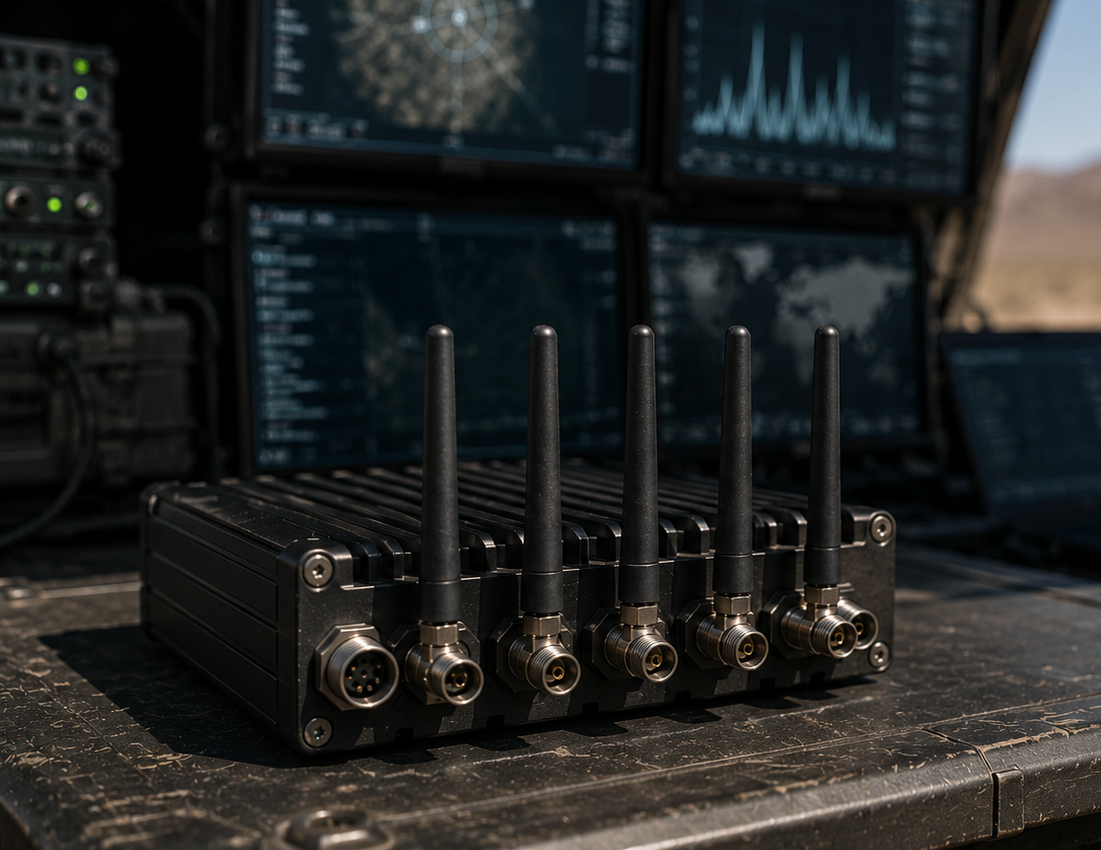
Advanced antenna and RF front-end technology for communications, navigation, sensing, and electronic warfare. Mission-tailored antenna design and integration deliver platform-specific RF performance across air and ground systems.
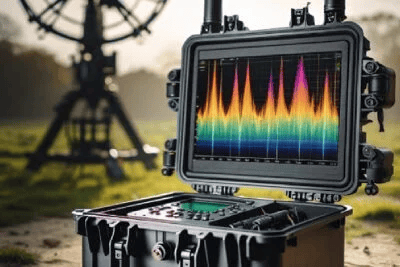
Software-defined RF platform for secure communications, SIGINT, electronic warfare, and spectrum awareness. Adaptable waveform processing and tactical datalink connectivity enable persistent mission capability across air and ground platforms.
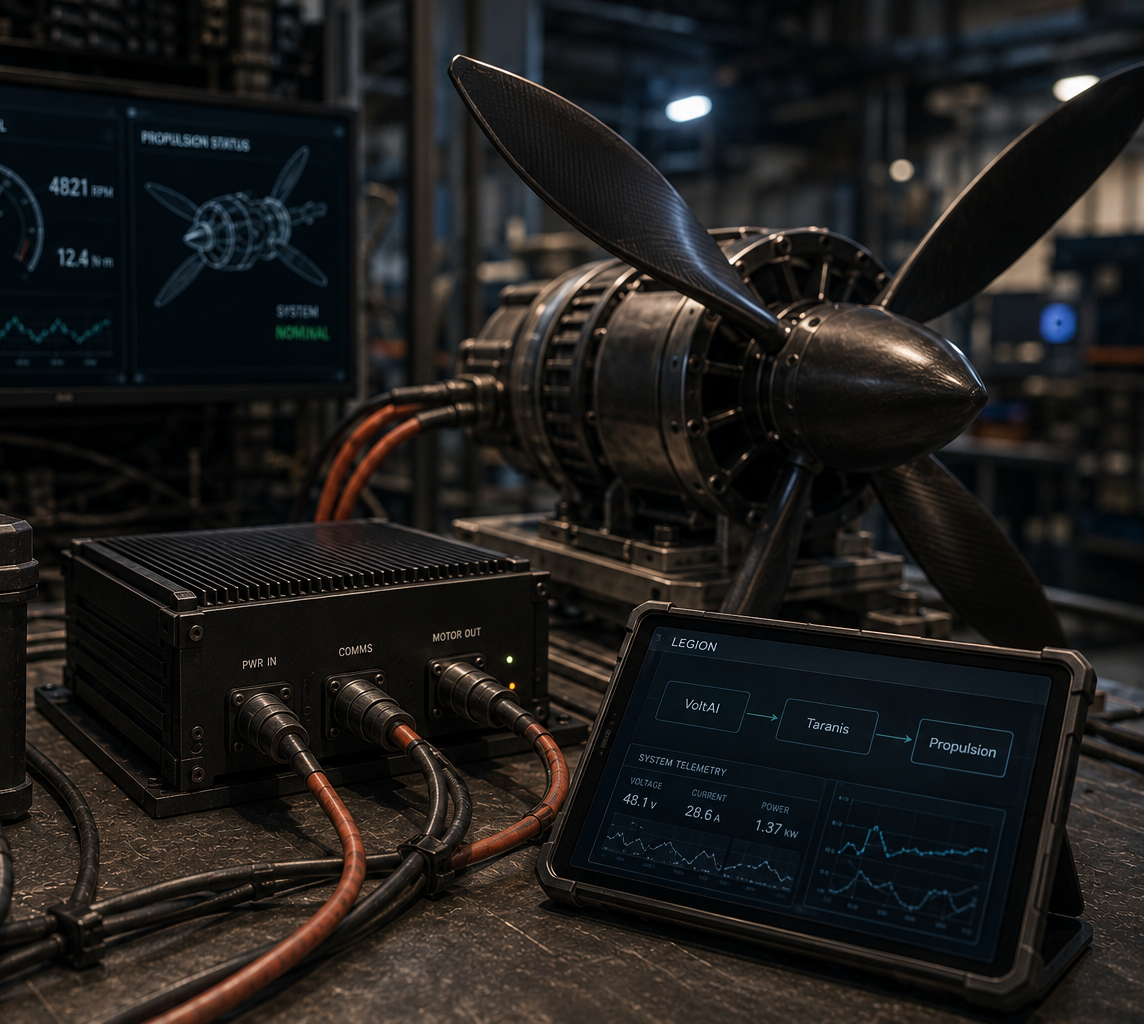
Motor control and power electronics for advanced electric propulsion — BLDC, switched-reluctance, and actuation applications. Converts VoltAI-managed power into precisely controlled propulsion, fully integrated with Legion mission computing.
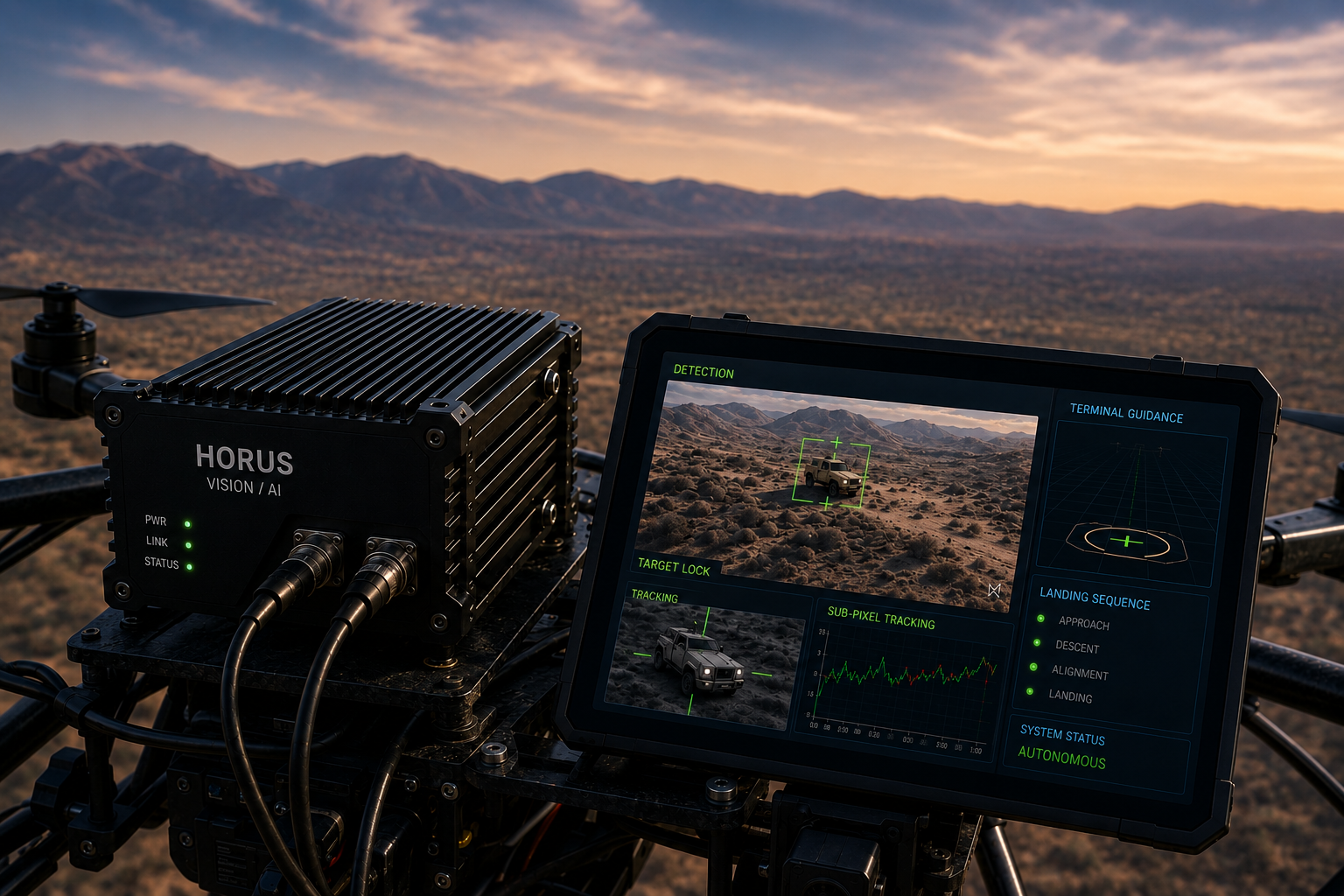
Computer vision and image processing platform providing real-time, AI-driven perception for autonomous systems. Automatic target recognition, sub-pixel tracking, terminal guidance, and automated landing-on-target — closed-loop visual autonomy from detection to touchdown.
HEKA's integrated aircraft design, simulation, and analysis environment.
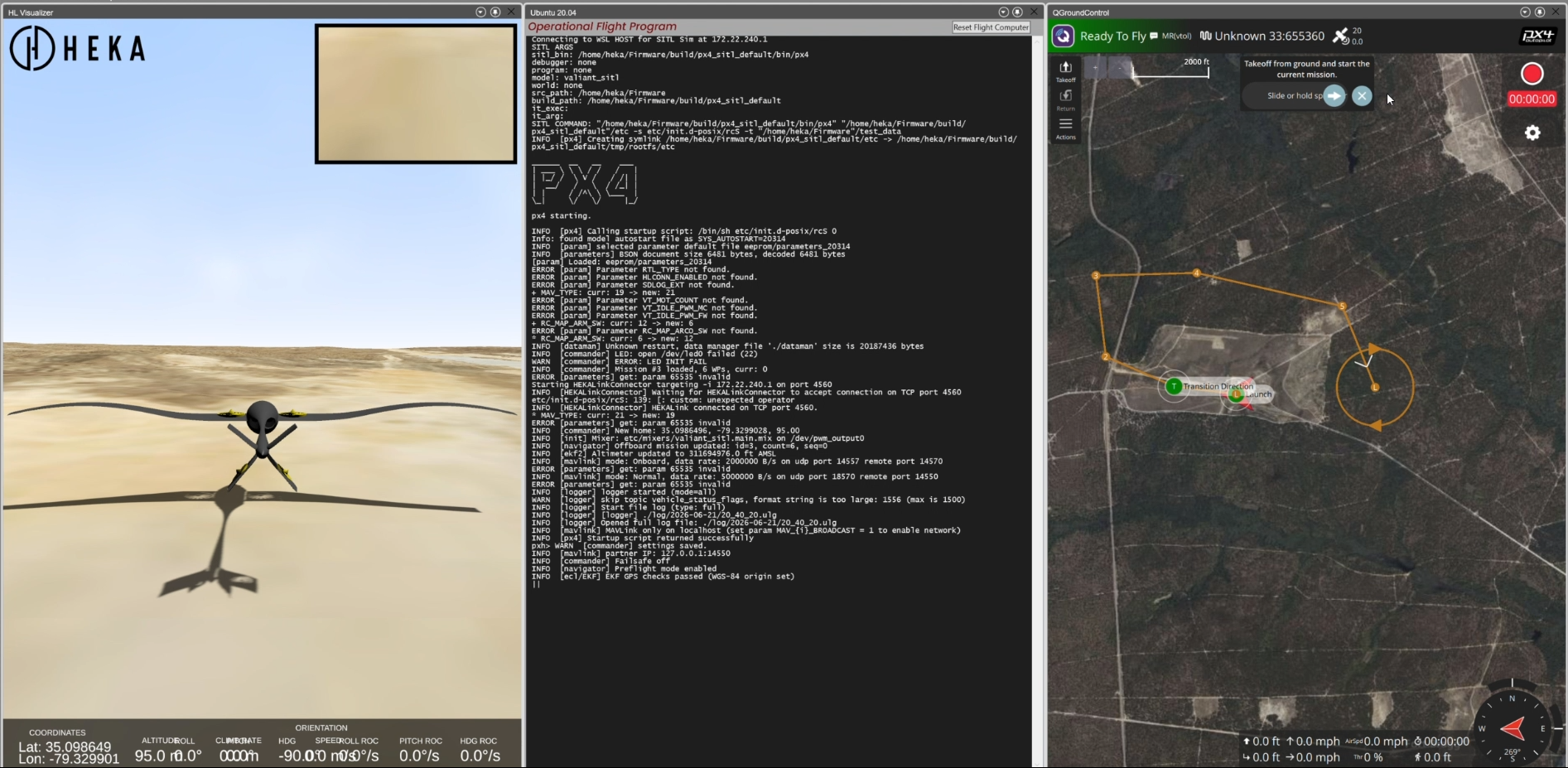
HEKALink is the connective layer that carries a single aircraft model across concept development, physics-based simulation, HIL/SIL validation, flight test, training, and mission planning.
Unlike traditional simulators built as one-off representations of a single aircraft, HEKALink separates reusable physics and infrastructure from the vehicle-specific configuration — so the same core environment reconfigures across aircraft and mission platforms without rebuilding the simulation and test stack.
Simulates pitch, roll, yaw, and XYZ translation to validate control laws, GNC, and autonomy before hardware integration.
Turns CAD models into lift, drag, and stability coefficients — no physical test article required.
Validate avionics and control algorithms against the digital aircraft before first flight.
Visualizer streams live telemetry into immersive flight dynamics with low-latency atmospheric and aerodynamic modeling.
FRTL simulation, test, design, and development for aircraft and aircraft systems.
Links every module in real time for multi-vehicle sync, formation-flight simulation, and remote collaboration.
Automated validation and flight-test correlation — reducing wind-tunnel and live-flight test costs.
HEKA's battery management and power distribution family. Operational today on fielded platforms including MARTAC maritime unmanned surface vessels.
Both lines provide cell balancing —
a crucial element of lithium-ion battery chemistry.
Software-enabled monitoring, telemetry, analytics, and prognostics.
Scalable to 1,000s of VDC and Amps.
Cell balancing, SoC / SoH / SoP estimation, event history, and health reporting.
Designed for vehicles, aircraft, station power, backup power, high-value payloads, and systems needing visibility and prediction.
Simpler, lower-cost, mission-rugged battery protection and balancing.
Minimal software footprint, limited telemetry, and fewer integration dependencies.
Best for smaller UAS, soldier-carried devices, expeditionary power, and applications where cost and ruggedness dominate.
| LVBMS12 | LVBMS24 | HVBMS56 | HVBMS120 | |
|---|---|---|---|---|
| Battery Voltage Range | 6–12 | 12–24 | 24–60 | 60–120 |
| Max Instantaneous Current | 20 / 50 / 100 | 60–120 / 180 | 100 / 175 / 250 | 100 / 175 / 250 |
| Number of Cells in Series (s) | 3–4 | 4–8 | 8–14 | 15–28 |
| Number of Cells in Parallel (p) | 1+ | 1+ | 1+ | 1+ |
Designed for unmanned systems, aircraft, ground and maritime vehicles, expeditionary equipment, and battery-backup applications where reliability, weight, power density, safety, and telemetry directly affect mission success.
Li-Ion, LiFePO4, and Lead-Acid support with application-specific safety strategies.
State-of-charge and state-of-health monitoring, high-efficiency passive cell balancing, and thermal-runaway protection.
Power distribution, regulation, and charging for unmanned and aircraft systems.
CAN, NMEA, and Ethernet interfaces for platform and fleet integration.
Built to strict NDAA and ITAR requirements with safety- and mission-critical design practices throughout.
Standing up a new aircraft. Modernizing a legacy platform.
Fielding unmanned systems. HEKA has a proven path to get you there.
Stand up a new aircraft program on HEKA's integrated platform. Start in HEKALink for digital engineering and simulation, deploy on HEKALegion avionics — with one continuous digital thread from day one.
Upgrade legacy avionics and mission systems without starting from scratch. HEKA's interoperable hardware and software ecosystem injects modern capability and certifiable electronics into existing platforms—eliminating the need for a costly full redesign.
Design, simulate, and deploy autonomy stacks on HEKA's platform. From GNC algorithm development in HEKALink through to GPS-contested navigation hardware in Legion — optimized for unmanned airframes and ground vehicles.
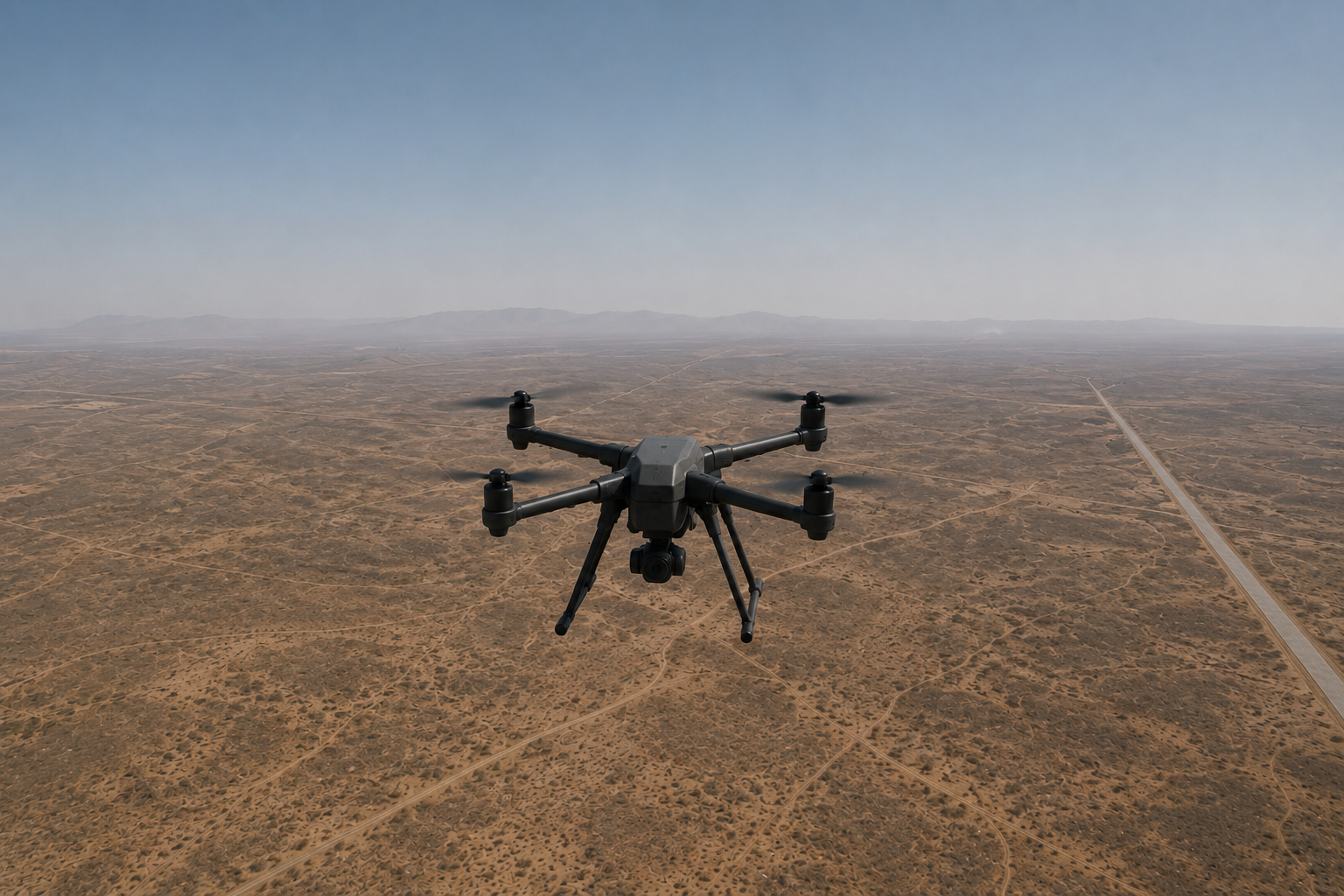
Operations in contested and degraded environments demand navigation that doesn't depend on GPS. HEKA's Nautilus fuses magnetic, GNSS, inertial, and precision timing data with AI-driven dead-reckoning to deliver resilient positioning for airborne, maritime, and ground platforms in GPS-contested and denied environments.
Mission RF capability for ISR, electronic warfare, and spectrum awareness programs. Remora integrates into air and ground platforms to provide persistent software-defined RF capability without mission-profile compromise.
Advanced battery management and power architecture for eVTOL, hybrid-electric aircraft, and high-energy-demand defense platforms. VoltAI is engineered for safety-critical power environments from prototype to certification.
HEKA is an aerospace and defense engineering company that compresses the time between ideas and flight.
Most aerospace and defense missions still move through fragmented pipelines. CAD, simulation, controls, software, and hardware are separated by manual hand-offs, disconnected environments, and repeated rework. HEKA exists to fix that — with a reusable product and IP stack designed to compress development cycles from the start.
Our growth strategy is built on product sales, subscriptions, and licensing — not just engineering labor. Every engagement builds toward a faster, more reusable path for your next mission.
Our value isn't just engineering hours. HEKALink, HEKOS, and Legion create reusable IP that makes every subsequent mission faster and lower-risk.
We build with DO-178C and DO-254 compliance in mind from the first commit. No costly re-architecting at certification time.
Software, electronics, and mechanical — all under one roof. Your critical path stays with HEKA engineers, not a subcontract chain.
Headquartered in Melbourne, FL on Florida's Space Coast — with a presence in Huntsville, AL, the heart of U.S. defense and missile programs.
Engineering articles, whitepapers, and program guides from HEKA's team — on digital engineering, certifiable software, avionics architecture, and more.
How HEKALink's continuous simulation-to-code pipeline eliminates the hand-offs that cause schedule slip and cost growth in modern aerospace programs.
Building certifiable software is 60% architecture and 40% process. Most programs get this backwards — here's how HEKA approaches it differently.
How an eVTOL program leveraged HEKA's HEKOS and HEKALink platform to compress their software certification timeline and avoid late-stage rework.
A technical overview of dead-reckoning IMU architecture for unmanned systems and platforms operating in contested or degraded navigation environments.
Whether you have a specific requirement or just want to explore how HEKA's platform could apply to your mission — our engineers are ready to talk.
HEKA is a small, fast-moving team building safety-critical software and hardware for the most demanding aerospace and defense programs in the world. We're hiring engineers who want their work to matter.
Don't see your role? Reach out at info@heka.email